
Coordination of Heterogeneous Actors
in Mixed Traffic within CCAM
CHORUS OBJECTIVES
CHORUS is an EU project advancing Connected, Cooperative and Automated Mobility (CCAM) through a unified orchestration framework enhancing road safety, efficiency, and sustainability. CHORUS integrates different transport modes (both AV and Conventional Vehicles), developing AI-driven traffic management solutions and fostering public-private collaborations. Thanks to its multi-layered solutions CHORUS will help reduce congestion, improve mobility and support EU climate and safety goals.
The Challenge
Cities are growing fast. With more people and more movement come heavier traffic, rising emissions, and greater pressure on infrastructure. Today’s streets host a complex mix of cars, public transport, cyclists, pedestrians, and increasingly, automated vehicles. This diversity makes managing urban mobility more challenging than ever.
Despite advances in connected and automated mobility, cities still struggle to coordinate these heterogeneous actors. Traffic systems often operate in silos, real-time data is underused, and communication between vehicles and infrastructure is inconsistent. This leads to congestion, safety risks—especially for vulnerable road users—and difficulty integrating new technologies into existing transport networks.
To unlock the benefits of CCAM (Cooperative, Connected, and Automated Mobility), cities need reliable orchestration: seamless coordination between automated and non-automated vehicles, public transport, infrastructure, and users. But achieving this requires common standards, secure data exchange, interoperable systems, and trust from the public. Today, these pieces remain fragmented.
The CHORUS SOLUTION
CHORUS tackles these challenges by introducing a unified, multi-actor orchestration framework designed to make mixed traffic safer, smarter, and more efficient. Building on existing infrastructure and previous R&I projects, CHORUS creates a scalable architecture that enables seamless communication and coordination across all transport modes.
The project deploys its solutions in seven real-world demonstration sites, delivering:

Integrated multi-modal mobility: Smoother coordination between automated and conventional vehicles, public transport, cyclists, and pedestrians.

Enable data-driven, AI-enabled traffic management systems that allow for active data exchange in a secure and collaborative environment, supporting real-time decision-making for traffic management and AVs operation, and reducing traffic inefficiencies.

Enhance the user experience through personalized travel recommendations and real-time updates, empowering users to make informed transportation choices.

Promote innovation by encouraging collaboration between public and private sectors at both governance and operational levels, driving technological advancements within the CCAM landscape.

Assist cities in effectively reducing traffic congestion and its associated costs while improving overall mobility efficiency, thereby contributing to European sustainability and climate goals.
By harmonising actors, technologies, and data, CHORUS helps cities optimise mobility, cut congestion costs, improve safety, and advance climate and sustainability goals—moving urban transport closer to a true Social Optimum.
CHORUS demonstration sites
CHORUS will employ a methodology combining experimentation, simulation, and data analysis across 7 demonstration sites, conducting demonstrations and evaluations, building on specific high-value use cases (UCs) aligned with EU strategy and the CCAM partnership
.
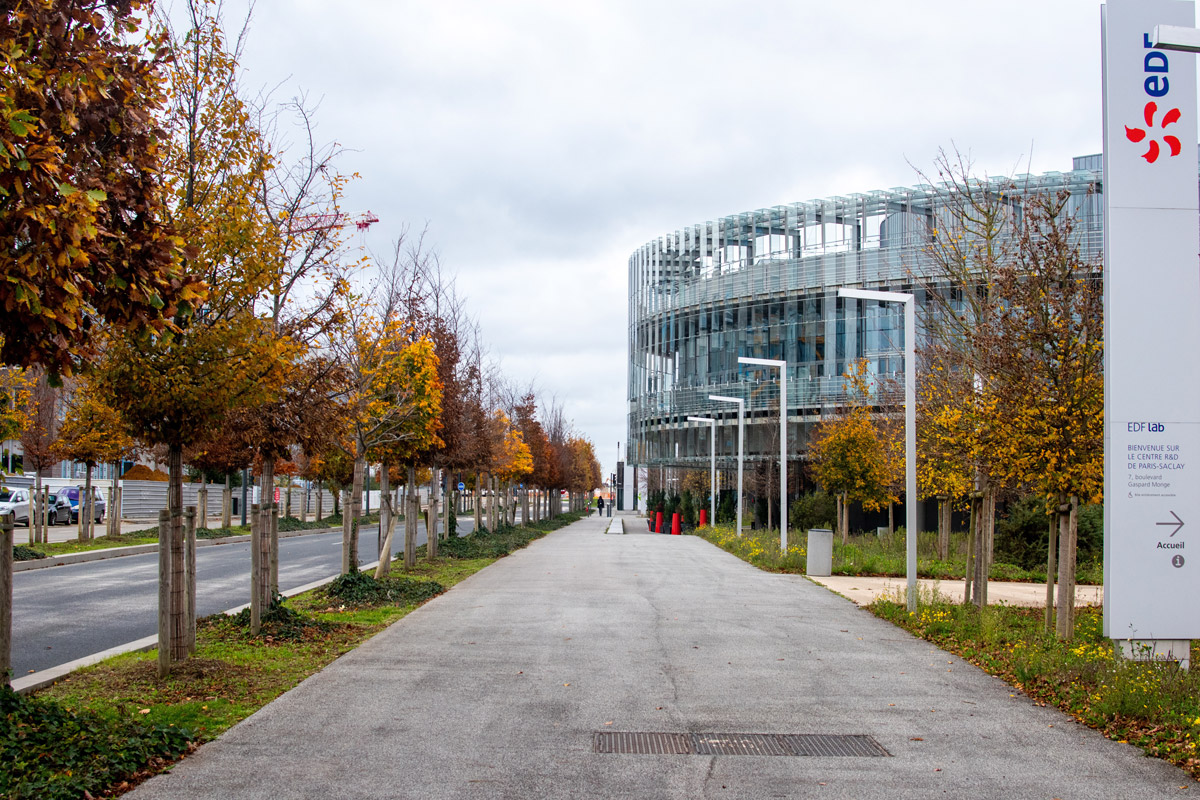
Paris-Saclay, France
A growing innovation district south of Paris, Paris–Saclay faces congestion and complex multimodal mobility. CHORUS supports coordinated, sustainable transport by integrating car-sharing, autonomous shuttles, and real-time traffic intelligence across the campus ecosystem.
- UC1 – Orchestrated Electric Car-Sharing
- UC2 – Autonomous Shuttle (Metro Mode)
- UC3 – On-Demand Autonomous Shuttle
Oxfordshire, UK
A rapidly growing region with rising car use and multimodal mobility challenges, Oxfordshire leverages CHORUS to advance autonomous transport, sustainable logistics, and integrated passenger–freight management.
- UC1 – Autonomous Passenger Transport
- UC2 – Orchestrated Last-Mile Logistics
- UC3 – Integrated Passenger & Freight Network Management
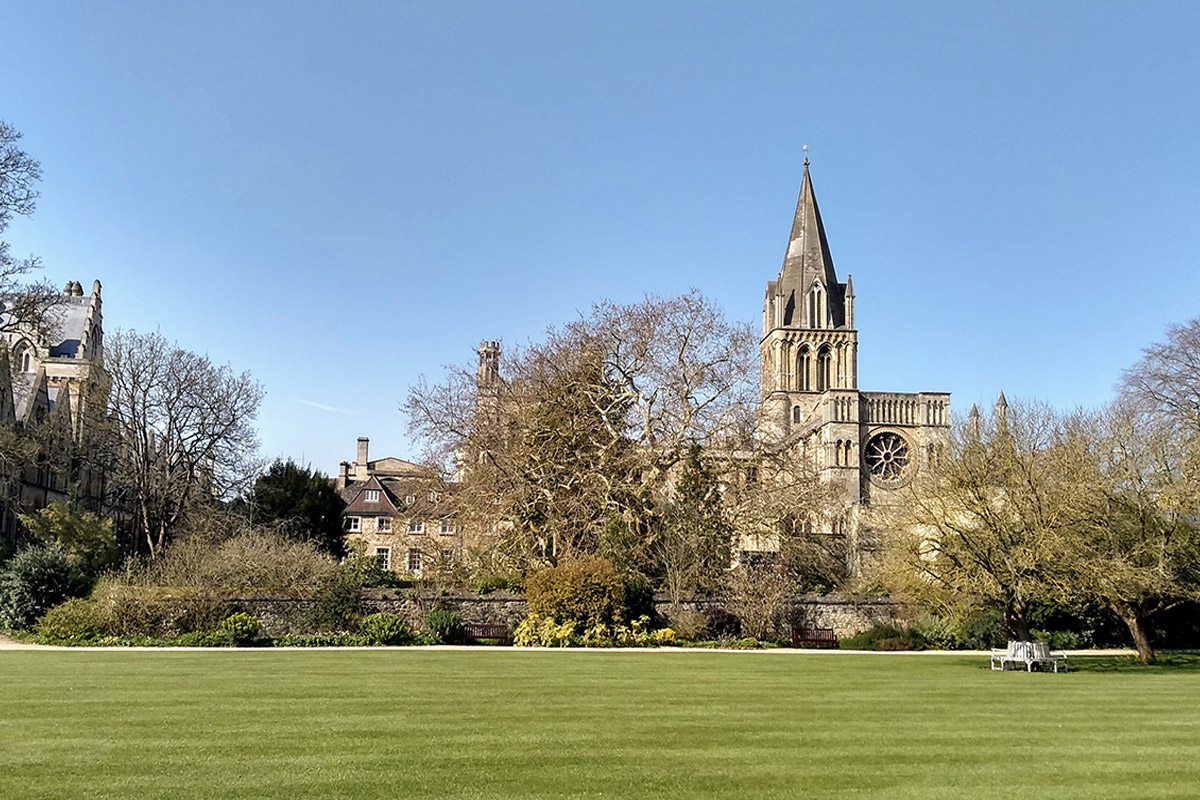

Trikala, Greece
A pioneering smart city expanding autonomous mobility and sustainable logistics. CHORUS supports safer AV navigation and coordinated off-street robot deliveries.
- UC1 – Off-Street Delivery Robots
- UC2 – Collective Perception for AV & VRU Safety
Bern, Switzerland
Bern enhances sustainable logistics through autonomous middle-mile delivery integrated with rail, improving efficiency and reducing road traffic.
- UC – Autonomous Middle-Mile Logistics


Geneva, Switzerland
A dense cross-border region optimising multimodal public transport with CCAM for seamless travel, shared fleets, and predictive mobility planning.
- UC1 – Multimodal Passenger Integration
- UC2 – Dynamic Shared Fleets
- UC3 – Predictive Transport Optimisation
Zürich, Switzerland
Zürich tests autonomous last-mile parcel delivery using dynamic PUDO boxes to reduce congestion and improve customer convenience.
- UC1 – Dynamic Autonomous Pick-Up Drop-Off (PUDO) Delivery


Helsinki, Finland
Helsinki advances smart logistics and VRU safety through off-street robots, adaptive traffic lights, and CCAM–VRU integration.
- UC1 – Smart Urban Logistics & VRU-Centric Services